1. Introduction to Camera Movement
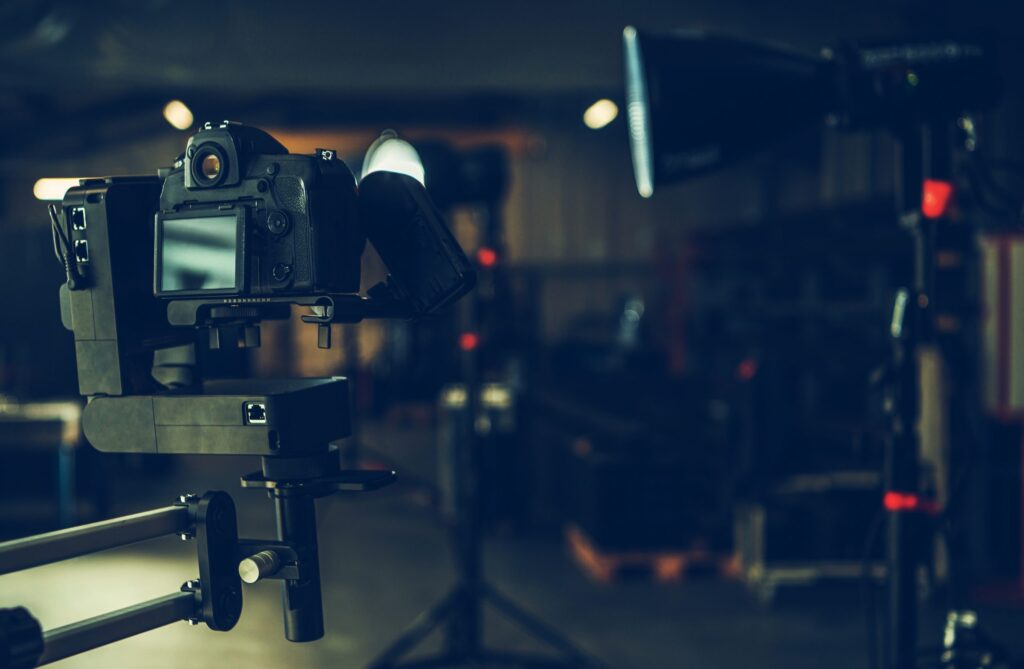
Camera movement involves the variation of the camera’s position, orientation, or focal position during recording. This technique can add a cinematic element to your promotional videos, providing a more immersive and memorable visual experience.
2. Five Main Types of Camera Movement
– Travelling (Tracking): The camera moves laterally to follow the subject or explore the surroundings.
– Pan: The camera rotates horizontally on its fixed axis, covering a wide visual field
– Tilt: Similar to a pan, but the movement is vertical, pointing up or down.
– Zoom: Varying the focal distance to bring the image closer or farther away.
– Crane or Dolly Movement: The camera moves up, down, or side-to-side using a crane or dolly system.
3. Dynamic Narrative: Telling Stories with Fluidity
Camera movement adds a dynamic dimension to the narrative of your promotional videos. It can guide the viewer’s attention, highlight key elements, and create a visual progression that complements the story you’re telling about your product or service.
4. Emphasizing Details: Highlighting the Important
When used appropriately, camera movement allows you to focus on specific details. You can highlight key features of your product, show its functionality from different angles, or guide attention to prominent elements in your promotional message.
5. Creating Emotion and Dynamism: Visual Impact
Camera movement adds emotion and dynamism to your promotional videos. The fluidity and visual variation keep the viewer engaged, avoiding monotony and generating a visual impact that lingers in memory.
6. Visual Professionalism: Cinematic Aesthetics
The careful application of camera movement imparts a more professional and cinematic look to your videos. This not only enhances your brand’s perception but also sets a visual quality standard that stands out against the competition.
7. Smooth Transitions: Avoiding Abrupt Cuts
Camera movement can facilitate smooth transitions between scenes or shots, eliminating abrupt cuts that could disrupt the promotional message’s flow. These smooth transitions keep the viewer immersed in the story you’re telling.
8. Creative Adaptability: Versatility in ProductionCreative Adaptability: Versatility in Production
The versatility of camera movement allows it to adapt to different situations and creative requirements. Whether it’s a product video, an advertisement, or a corporate presentation, camera movement can be adjusted to meet each project’s specific goals.
9. Viewer Engagement: Maintaining Attention
The visual dynamism resulting from camera movement contributes to viewer engagement. Sustained attention is crucial in the digital world, and camera movement is an effective tool to maintain that attention throughout your promotional video.
10. Competitive Differentiation: Standing Out in the Market
In a content-saturated world, differentiation is key. Strategic use of camera movement can make your promotional videos stand out from the crowd, highlighting your brand and creating a lasting impression on the audience.
Conclusion: Elevating Aesthetic and Visual Effectiveness
In conclusion, camera movement is an essential tool for elevating the aesthetic and visual effectiveness of your promotional videos. From creating dynamic narratives to prominently displaying details, the intelligent application of camera movement can transform your videos, taking them to new levels of impact and appeal. Make every movement count, taking your promotional videos to new visual heights!