1. Know Yourself
Before pressing the record button, take some time to understand yourself and define the message you want to communicate. What is your main goal? What tone do you want to set? Having clarity on these points will help you structure your presentation.
2. Choose a Topic You Know and Are Passionate About
If possible, select a topic you are familiar with and passionate about. Speaking about something you genuinely care about will make your presentation more authentic and engaging. Passion is contagious and resonates with your audience.
3. Prepare a Simple Outline or Script
You don’t need to memorize every word, but having a simple outline or script will give you structure and help you stay on topic. Write down the key points you want to cover and use them as a guide while recording.
4. Practice in Front of a Mirror or with a Friend
Practice is essential. Speak in front of a mirror to become familiar with your facial expressions and body language. If possible, rehearse with a friend and get constructive feedback. This will boost your confidence before facing the camera.
5. Maintain Open and Natural Body Language
When you are in front of the camera, keep your body language open and natural. Avoid nervous gestures and maintain a relaxed posture. Authentic body language contributes to a more genuine and engaging presentation.
6. Use a Suitable Environment
Choose a quiet place with good lighting to record your video. Make sure there are no visual or sound distractions that could take attention away from your message. Natural light is your best ally.
7. Try Multiple Takes
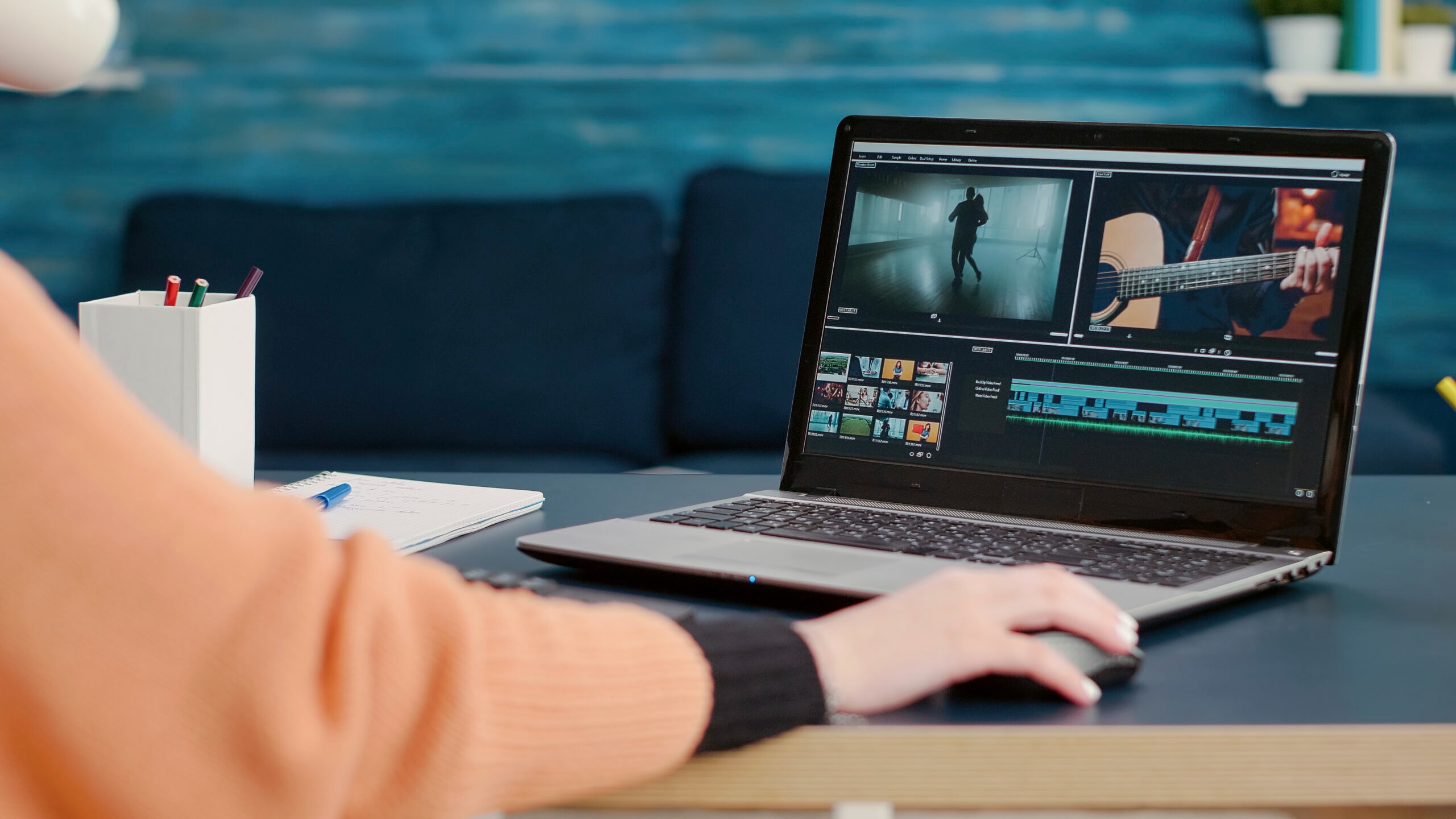
Don’t worry if you don’t get the perfect take on the first attempt—it’s completely normal. Record multiple takes and, if needed, edit them to select the best parts of each one.
8. Be Authentic and Relaxed
Authenticity is key. Don’t stress about perfection. Be yourself and speak as if you were having a conversation with a friend. Natural delivery helps you connect better with your audience.
9. Manage Your Nervousness
It’s natural to feel nervous before recording, but don’t let it paralyze you. Take deep breaths, relax your shoulders, and remember that you are sharing something meaningful. Nervous energy can actually enhance your performance if properly channeled.
10. Review and Learn
After recording, take time to review your video. Identify areas for improvement and acknowledge what you did well. Every on-camera experience is a learning opportunity.
Conclusion: Your Story, Your Voice
Appearing in a video speaking to the camera can be an exciting first step. Don’t worry about perfection—focus on sharing your story and message authentically. With practice and patience, you will gain confidence and feel more comfortable every time you face the camera. Let your voice be heard and your message reach those who need to listen.